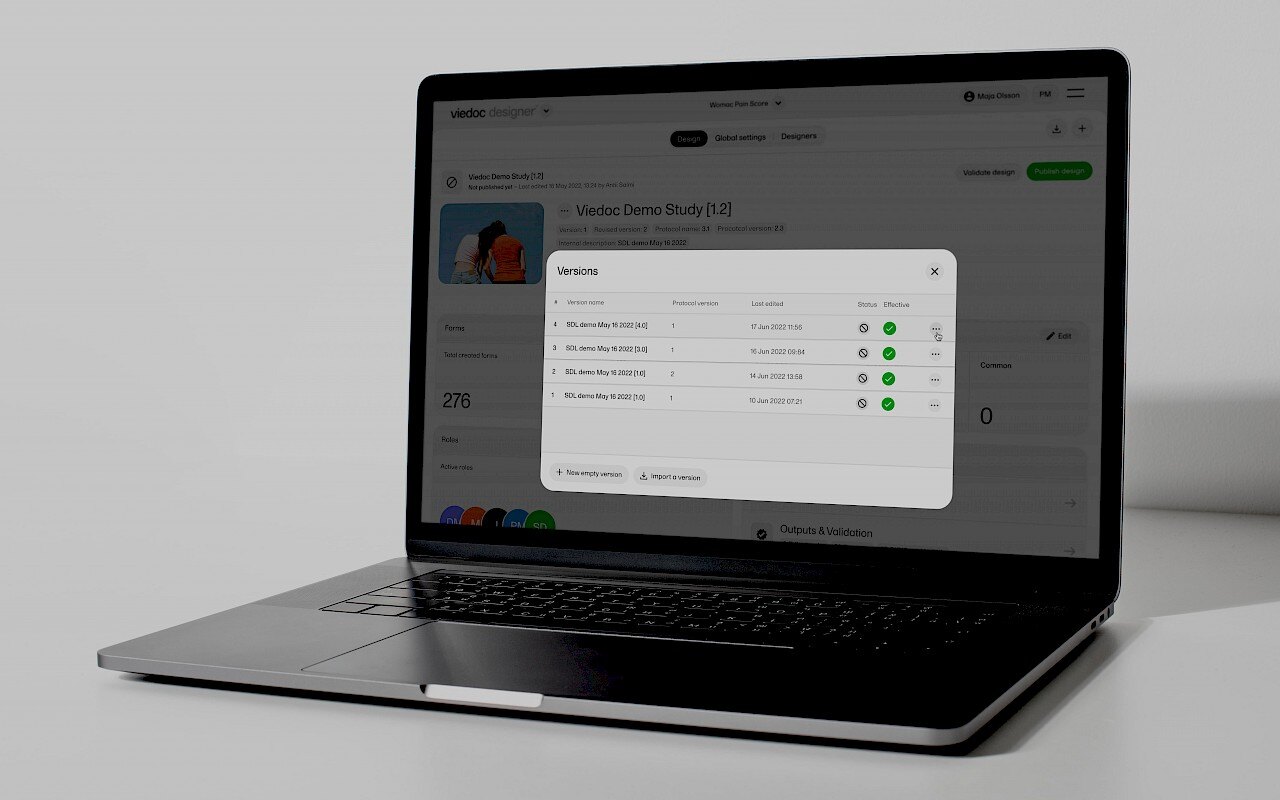
EDC integration and APIs

EDC integration is the connection of an electronic data capture (EDC) system to other clinical trial technology, such as CTMS, LIMS, safety systems, RTSM, and analytics tools, removing the need to enter data twice. Integrations typically run through APIs (application programming interfaces) or standard file exchanges, often using CDISC standards such as ODM.

Connect your EDC data to the systems you already use.

What is EDC integration?

EDC integration is the link between the EDC, where sites enter participants' clinical data, and the other systems a study runs on. Data can flow into the EDC, such as results from a laboratory information management system (LIMS), or device data. It can also flow out, such as enrollment and visit progress to a clinical trial management system (CTMS), or serious adverse event data to a safety system. Other flows include randomization details shared with a randomization and trial supply management (RTSM) system, or study data sets to an analytics or statistics environment. These are examples, not a fixed list; each study defines its own data flows. It's a recurring transfer between computerized systems, not a one-off data export.

An API is a defined interface that lets one system request or send data to another automatically. A data standard fixes the format, so both systems read the data the same way. The Clinical Data Interchange Standards Consortium (CDISC) maintains the Operational Data Model (ODM). ODM is a vendor-neutral, platform-independent format for exchanging and archiving clinical and translational research data, along with its metadata, administrative data, reference data, and audit information. Many EDC tools use ODM to represent case report form content (CDISC). The latest version CDISC lists is ODM v2.0, dated 23 August 2023.

Why EDC integration matters for CROs and sponsors

For a CRO

A CRO runs studies for many sponsors, and each sponsor may choose a different EDC, lab, or safety system. An EDC that exposes its data through an API and standard formats lets the CRO connect it to its own CTMS and tools instead of re-keying figures on every study.

For a sponsor

ICH E6(R3) asks for reconciliation, as appropriate, to avoid data loss and unintended changes when data moves between systems. The sponsor should know which flows exist, and how study teams validate and reconcile them.

For both, the questions to ask any EDC are the same: what can it export, in which formats, and does it offer an API?

Getting started with EDC integration

These five steps take a data manager or IT lead from listing the study's systems to planning the first reconciliation check.

  1. List every system the study uses and the data each one needs from, or sends to, the EDC.

  2. Check what each system can export, which formats and CDISC standards it supports, and whether it offers an API.

  3. Decide, per flow, between an API connection and scheduled file transfers.

  4. Involve IT and QA early to plan security, access, and validation.

  5. Plan reconciliation checks so you can show data arrived complete and unchanged.

Woman in a modern office sitting at a desk and working on her laptop

How integration works with Viedoc

Export data in the formats you already use

Viedoc EDC exports data in Excel, ASCII, SAS, PDF, and CDISC ODM formats, and offers a REST API.

An API for automated data flows

The Viedoc API integrates third-party solutions, sets up automatic data exports to third-party applications at a chosen frequency, and brings data from multiple sources, devices, or wearables into Viedoc EDC.

Help with custom connections

Viedoc's integration service covers standardized and custom integrations between the Viedoc eClinical suite and other clinical data systems.

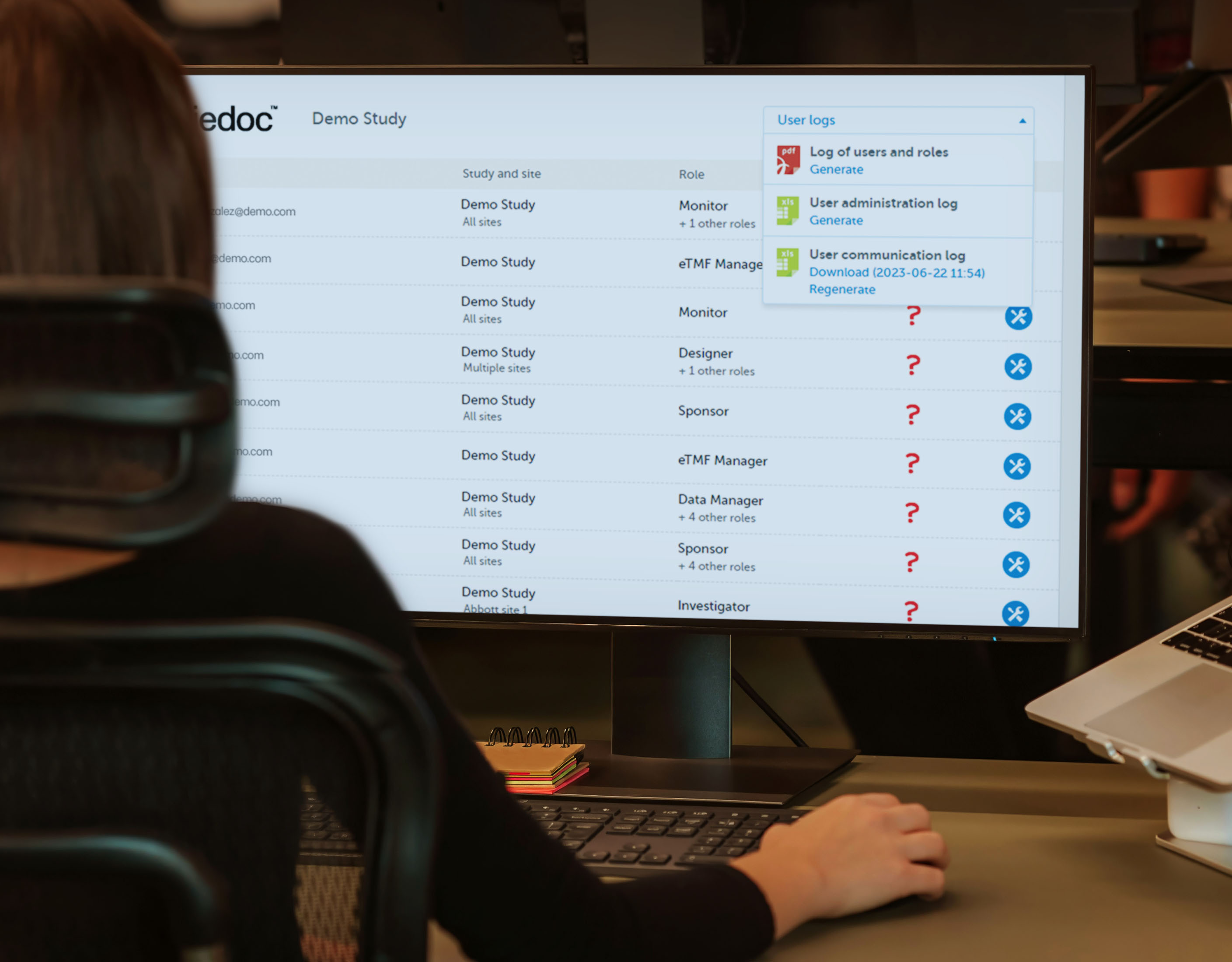
Woman sitting at her desk in front of a large computer monitor using a piece of software

Key takeaways: EDC integration and APIs

  • EDC integration is the connection between the EDC and systems such as CTMS, LIMS, safety systems, RTSM, and analytics tools, removing the need to enter data twice.

  • An API moves the data between systems; a data standard such as CDISC ODM makes sure they read it the same way.

  • ICH E6(R3) expects study teams to validate or reconcile data transfers between systems, and document them.

  • For CROs working with many sponsors, an EDC with an API and standard exports saves re-keying on every study.

Frequently asked questions about EDC integration and APIs

Related terms